
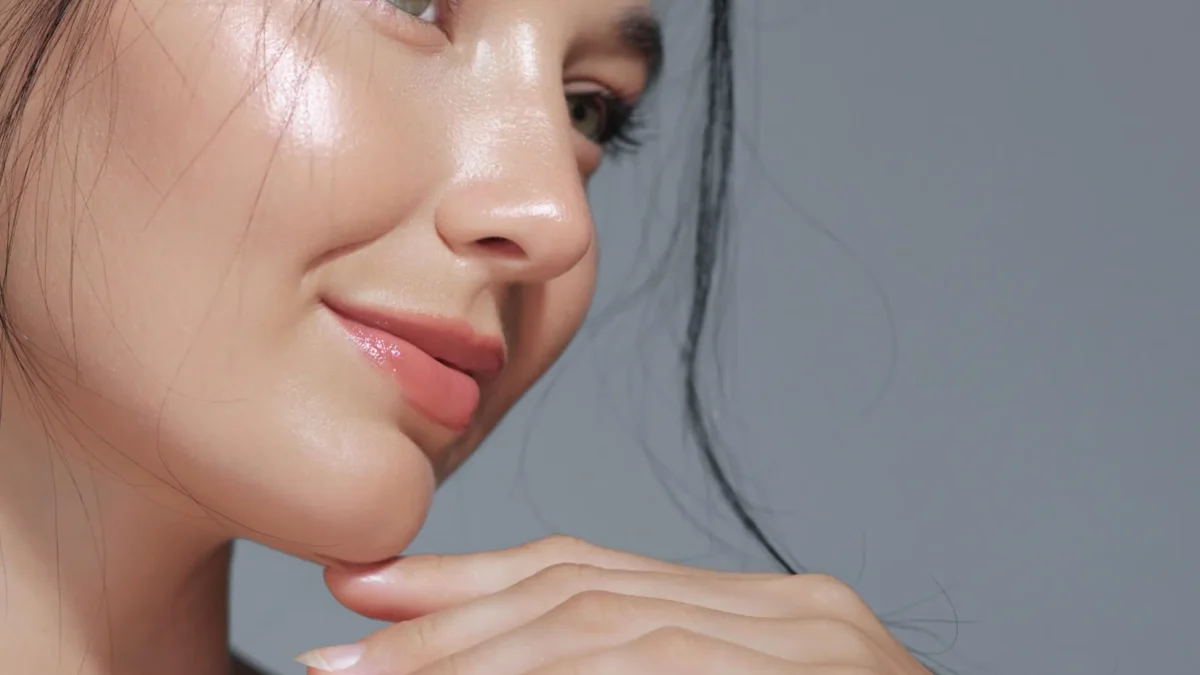


Late nights take a toll on your skin. Whether you’re burning the midnight oil or enjoying too many nights out, your face shows it. Those early mornings in the mirror reveal the damage. Fine lines appear where smooth skin once was. Your texture becomes uneven and rough.
Sleep deprivation affects skin health in ways most people don’t realise. When you skimp on rest, your body produces less collagen. This protein keeps skin firm and smooth. Without enough sleep, skin loses its ability to repair itself properly.
How Poor Sleep Habits Affect Your Skin
Your skin does most of its repair work while you sleep. During deep sleep, blood flow increases to your skin. This delivers oxygen and nutrients that help rebuild damaged tissue. Growth hormones peak at night, helping to repair daily wear and tear.
When you stay up late regularly, you interrupt this natural cycle. Your skin doesn’t get enough time to recover. The result shows up as dull, tired-looking skin with visible texture problems. Dark circles appear under your eyes. Fine lines become more prominent around your mouth and forehead.
Stress hormones also rise when you don’t sleep enough. These hormones break down collagen faster than your body can replace it. Your skin loses its bounce and starts to sag. Pores may look larger. Small imperfections become more noticeable.
What Makes Skin Texture Deteriorate
Skin texture refers to how smooth or rough your skin feels and looks. Good texture means your skin is even, soft, and reflects light well. Poor texture shows up as bumps, rough patches, or visible pores.
Several factors contribute to texture changes. Sun damage ranks high on the list. UV rays break down collagen and elastin in your skin. These proteins keep your skin smooth and firm. Without them, skin becomes rough and uneven.
Dehydration plays a major role too. When your skin lacks moisture, it looks flaky and rough. Late nights often mean less water intake and more alcohol or caffeine. Both dehydrate your skin and worsen texture problems.
Natural ageing also affects texture. As you get older, your skin produces less collagen. Cell turnover slows down. Dead skin cells build up on the surface, creating a rough feel.
Understanding Juvelook as a Treatment Option
Juvelook treatment works differently from traditional dermal fillers. This treatment focuses on improving skin quality from within. It uses a special formulation that helps stimulate your skin’s natural repair processes.
The treatment involves injecting a solution into the skin’s deeper layers. This triggers collagen production over time. New collagen fills in fine lines and smooths out rough texture. Results appear gradually as your skin rebuilds itself.
Many people choose Juvelook because it addresses texture issues without adding volume. Some treatments plump up the skin but don’t improve quality. This option works to enhance your actual skin structure. The effects look natural because they come from your own collagen production.
Recovery and Results Timeline
After receiving Juvelook injections, you can return to normal activities quickly. Some redness or swelling may occur at injection sites. These effects usually fade within a day or two. Most people notice minimal downtime compared to more invasive procedures.
Results don’t appear overnight. Your skin needs time to produce new collagen. Initial improvements often show up after a few weeks. Full results typically develop over two to three months. The gradual change means people won’t notice a sudden transformation. Instead, you’ll look refreshed and well-rested.
The effects can last several months to a year. Your lifestyle choices affect how long results persist. Getting proper sleep, drinking enough water, and protecting your skin from sun damage all help maintain improvements.
Making the Most of Your Treatment
Any skin treatment works best when combined with good habits. Start prioritising sleep whenever possible. Aim for seven to nine hours each night. Your skin will thank you for the extra repair time.
Stay hydrated throughout the day. Water helps maintain skin moisture and supports natural healing. Use a gentle cleanser and moisturiser suited to your skin type. Sunscreen is essential every day, even when it’s cloudy.
Consider your overall health too. A balanced diet rich in vitamins and antioxidants supports skin health. Reduce stress where you can. High stress levels speed up ageing and worsen texture problems.
Juvelook may offer a solution for texture concerns caused by lifestyle factors. Combined with better habits, it can help restore the smooth, even skin you once had.
