
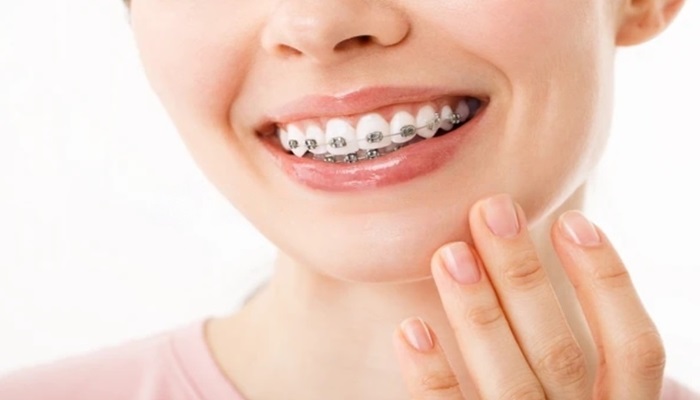

The idea of braces once conjured images of teenagers navigating high school hallways, but today more adults than ever are choosing to improve their smiles. Whether it is the pursuit of confidence, dental health, or a better bite, orthodontic treatment is not just for kids. But are adult braces the right move for you?
Understanding Adult Braces: Options and Innovations
Orthodontics has come a long way from bulky wires and obvious metal brackets. Adults now have an impressive range of choices, each suited to different needs, lifestyles, and aesthetic preferences.
Traditional Metal Braces: What to Expect
Metal braces remain the old reliable of the orthodontic world. They use metal brackets and wires to gradually move teeth into place. For adults with complex alignment issues or significant bite problems, traditional braces can provide effective, predictable results. However, they are the most visible option, which some adults find discouraging.
Clear Aligners: Invisalign and Its Technology
Clear aligners have rapidly become a favorite for adult orthodontics. Systems like Invisalign use custom-made, nearly invisible plastic trays that shift teeth with precision. Proprietary materials such as SmartTrack® give aligners flexibility and gentle, consistent pressure, reducing discomfort. The aligners are removable, so eating, brushing, and everyday life are less interrupted. Notably, Invisalign treatment can straighten teeth up to 50% faster compared to older aligners, and with fewer emergency visits for repairs.
Ceramic and Lingual Braces: Aesthetic Alternatives
Ceramic braces offer a subtler alternative. Their tooth-colored or clear brackets blend with natural enamel, making them less noticeable. Lingual braces are attached behind the teeth, completely hidden from view. Both options appeal to adults seeking discretion, though they may come with higher costs or longer adjustment periods.
Comparing Treatment Durations and Comfort Levels
Treatment timelines vary, but clear aligners often finish the job faster when worn as directed. Metal braces are generally better for complex cases but may require longer treatment. Comfort also differs: aligners tend to cause less pain and irritation initially, while fixed braces can create sore spots until the mouth adjusts.
Assessing the Benefits of Adult Orthodontics
For adults, the rewards of orthodontic treatment extend well beyond cosmetic improvements.
Improved Oral Health Beyond Appearance
Crooked or crowded teeth are harder to clean, increasing the risk of cavities and gum disease. Straightening teeth makes brushing and flossing more effective, supporting long-term oral health.
Boosting Confidence and Social Impact
A straighter smile is linked to higher self-esteem and can influence personal and professional interactions. Studies show that adults often report increased confidence after orthodontic treatment, which can have ripple effects on relationships and careers.
Functional Advantages: Bite Correction and Jaw Alignment
Correcting bite issues addresses more than just looks. Proper alignment can ease jaw pain, improve chewing, and reduce the risk of abnormal tooth wear.
Long-Term Investment: Costs vs. Value
While orthodontic treatment can be a significant investment, the long-term benefits often outweigh the upfront costs. Many adults find that the improvement in dental health and self-image makes it worthwhile.
| Option | Average Duration | Visibility | Comfort Level | Suitability for Complex Cases |
|———————–|——————|——————–|—————–|——————————|
| Metal Braces | 18-36 months | High | Moderate | Excellent |
| Ceramic Braces | 18-36 months | Moderate | Moderate | Good |
| Lingual Braces | 18-36 months | Minimal | Low initially | Good |
| Clear Aligners | 6-24 months | Minimal | High | Moderate |
Key Considerations Before Choosing Adult Braces
Making the right choice starts with honest self-assessment and an understanding of your daily routine.
Age and Dental Health Factors
Adult teeth can be moved at any age, but factors like bone density and existing dental work (such as crowns) may influence treatment options. A thorough dental exam is essential before beginning orthodontics.
Lifestyle Compatibility and Daily Routine
Clear aligners offer flexibility, but require discipline. They must be worn 20-22 hours per day and removed only for eating or brushing. Fixed braces do not require this commitment, but might restrict certain foods and affect speech initially.
Pain, Maintenance, and Potential Discomfort
Mild discomfort is part of any orthodontic journey, especially during adjustments or when starting a new aligner. Most adults find the discomfort manageable, especially with advances in aligner materials.
Professional Consultation: What to Ask Your Orthodontist?
Ask about expected treatment times, costs, maintenance requirements, and how each option fits your lifestyle. Understanding the process, from digital scans to final retainers, prepares you for a successful outcome.
The Invisalign Journey: A Closer Look
Every adult’s orthodontic journey is unique, but Invisalign stands out for its blend of convenience and innovation.
Initial Assessment and Digital Scanning Process
Your orthodontist will begin with a 3D scan or precise impression of your teeth. This technology eliminates messy molds and allows for a detailed digital treatment plan.
Customized Treatment Planning with SmartTrack® Material
Working with Invisalign’s design team, your provider will map out every tooth movement from start to finish. The SmartTrack® material offers gentle but predictable results, often with less pain.
Wearing and Caring for Your Aligners
Aligners are worn for most of the day, removed only for eating, drinking (except water), and oral hygiene. They’re easy to clean and fit seamlessly into most routines.
Monitoring Progress and Adjustments
Regular check-ins ensure teeth are moving as planned. Many adults love watching their smile transform week by week.
Real Patient Experiences and Testimonials
Patients frequently report surprise at how quickly they adapt, and how discreet aligners are in social and professional settings.
Overcoming Common Misconceptions and Concerns
Many adults worry about pain, visibility, or feeling “too old” for braces. Modern orthodontics has addressed these concerns through better materials, less noticeable designs, and flexible options for all ages. It is a myth that braces are just for teenagers; adults, too, achieve dramatic improvements.
Post-Treatment Care and Maintaining Your New Smile
A retainer is the unsung hero of orthodontics, preserving your new smile. Consistent wear is key, along with regular dental checkups and cleanings to prevent relapse.
Making the Decision: Are Adult Braces Right for You?
Ultimately, the right choice depends on your goals, lifestyle, and oral health. Weigh the pros and cons, explore financing and insurance options, and do not hesitate to seek expert advice. If you are considering treatment in Montreal, exploring options like adult braces from Clinique Savaris can offer valuable insight into your best path forward. A consultation will help you visualize your future smile and decide if now is the perfect time to make it happen.
