
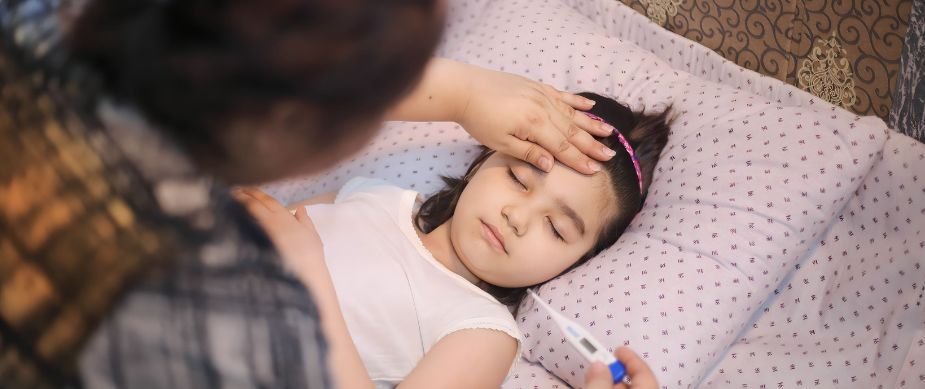

Parents often become concerned when a child develops fever. Increased body temperature often signals the body resisting infection. Careful attention becomes essential once children fever begins affecting comfort. Early medical support greatly improves safe and steady recovery.
Which Symptoms Suggest Professional Medical Advice?
Parents often wonder whether every fever needs treatment. Mild fever sometimes fades after rest and fluids. Still certain symptoms require quick medical consultation.Children may appear weaker than usual during illness. Continuous warmth combined with chills indicates rising temperature. Trouble drinking fluids also signals possible concern. Professional evaluation confirms proper care and medication.
Understanding Temperature Patterns During Illness
Body temperature often changes throughout the day. Careful tracking helps parents notice unusual health patterns. Regular monitoring supports better decisions about treatment.
- Record temperature readings at consistent daily intervals
- Compare morning evening differences for unusual spikes
- Use digital thermometer for reliable measurement accuracy
- Maintain simple notes describing symptoms and timing
Observation helps parents understand how illness progresses. Temperature records assist doctors during medical consultation. Organized tracking supports safer recovery decisions.
Helpful Daily Habits Supporting Faster Recovery
Supportive care encourages the body to regain strength. Restful sleep, fluids, and light meals aid recovery. Doctors sometimes advise monitoring children fever during home care.
- Encourage frequent water intake supporting proper hydration
- Provide soft nutritious meals easy for digestion
- Keep room quiet promoting uninterrupted peaceful rest
- Dress child lightly preventing excess body warmth
These gentle routines assist the body during recovery. Consistent care often improves comfort gradually each day. Families notice energy slowly returning with attentive support.
Encouraging Hydration During Fever Recovery
Children often lose fluids faster during fever episodes. Proper hydration helps regulate temperature and supports body recovery. Parents should encourage steady fluid intake throughout illness.
- Offer small sips of water frequently
- Provide warm soups supporting gentle nourishment
- Include fresh fruit juices without added sugar
- Monitor urine color for hydration awareness
Regular hydration helps the body maintain stability. Children regain energy gradually through steady fluid intake. Simple hydration habits strengthen recovery during illness.
How Soon Should Treatment Be Considered?
Caregivers sometimes delay contacting a healthcare professional. Fever may appear mild during initial hours. However timing greatly influences recovery outcomes.
Rapidly rising temperature requires early professional guidance. Doctors evaluate symptoms and suggest suitable medications. Early treatment frequently prevents further complications developing.
Home Environment That Encourages Comfort
A peaceful environment helps sick children rest calmly. Balanced room temperature supports stable body comfort. Quiet surroundings reduce stress during recovery periods.
- Maintain clean room with steady fresh airflow
- Use comfortable bedding supporting relaxed body posture
- Offer gentle reassurance through patient calm presence
- Keep personal items and clothing hygienic daily
Comfortable surroundings promote deeper rest and relaxation. Children often regain strength through uninterrupted restorative sleep. Supportive environments ease both emotional and physical strain.
Strengthening Parental Confidence During Illness
Caring for a sick child often creates anxiety. Practical knowledge helps parents remain calm and attentive. Understanding symptoms encourages quicker protective decisions. Balanced care combined with medical advice safeguards children effectively.
