
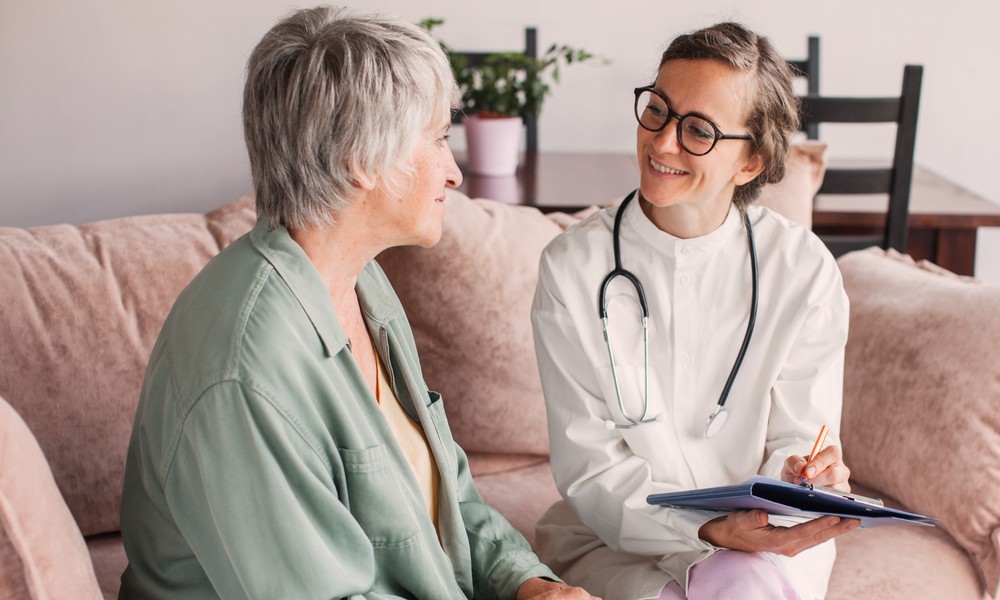

When a loved one begins needing help at home, family members are often the first to step in. That support can be deeply meaningful. Spouses, adult children, siblings, and relatives often take on caregiving responsibilities out of love, concern, and a desire to keep someone safe in familiar surroundings. But while family caregiving can be essential, it is not always the same as professional in-home support.
Understanding the differences matters because many households eventually realize that good intentions alone do not always solve the practical, physical, and emotional demands of day-to-day care. Here are eight important differences between family caregiving alone and professional in-home support.
1. Emotional connection is different from trained care
Family caregivers usually know the person best. They understand habits, personality, preferences, and routines in a way that no outside provider can fully match at first. That emotional connection can make a loved one feel comforted and understood.
At the same time, professional in-home support brings training and experience that family members may not have. Professionals are often better equipped to assist with mobility, personal care, structured routines, and care-related tasks that require consistency and technique. Love is incredibly important, but it does not automatically replace the value of trained support.
2. Family caregivers often juggle multiple responsibilities
Most family caregivers are not caring for a loved one in isolation from the rest of life. They are also managing jobs, children, errands, financial responsibilities, and their own physical and emotional well-being. Even when they are fully committed, the reality is that caregiving often gets layered on top of an already full schedule.
Professional in-home support is different because caregiving is the central role, not an added responsibility squeezed between everything else. That can create more dependable coverage and reduce the risk that important tasks will be delayed because the family caregiver is stretched too thin.
3. Professional support can provide more structure
Family caregiving often develops informally. One relative helps with meals, another stops by for errands, and someone else handles doctor visits or medications. While that arrangement can work for a while, it may also become inconsistent over time, especially as care needs increase.
Professional in-home support usually brings more structure to the daily routine. Help is scheduled, tasks are more clearly defined, and care tends to follow a more organized approach. That structure can make the home environment feel steadier, especially when a person’s needs are becoming more complex or time-sensitive.
4. Personal care tasks can be harder for family members
There is a major emotional and practical difference between helping a loved one occasionally and assisting with intimate personal care every day. Tasks like bathing, dressing, toileting, hygiene support, and mobility assistance can be physically demanding and emotionally uncomfortable for both the caregiver and the person receiving help.
Professional caregivers are often more accustomed to handling these tasks respectfully and consistently. Their experience can make the care feel less awkward and more routine. In some situations, families exploring Suffolk County private nursing or other in-home care options do so because they want a level of support that goes beyond what relatives can reasonably or comfortably provide on their own.
5. Burnout risk is much higher for family-only caregiving
One of the biggest differences between family caregiving alone and professional support is the toll it can take over time. Family caregivers often push themselves beyond their limits because they feel responsible for doing everything. They may ignore their own stress, lack of sleep, health issues, or emotional fatigue until burnout becomes serious.
Professional support can help ease that burden. Even part-time assistance can give family members room to rest, work, attend to their own responsibilities, or simply step out of crisis mode. This is important not only for the caregiver’s health, but also for the quality of care the loved one receives.
6. Professionals may notice risks families overlook
Family members are close to the person receiving care, which can be a strength, but familiarity can also make it easier to miss subtle warning signs. Changes in mobility, hygiene, mood, appetite, or daily functioning may happen gradually, and relatives may not always recognize how much the person’s condition has shifted.
Professional caregivers often approach the home with a more observant and task-focused perspective. Because they are trained to pay attention to practical care needs and safety concerns, they may notice patterns or risks that relatives have normalized. That outside perspective can be very valuable in helping families respond before problems become more serious.
7. Professional care can help preserve family relationships
When family members become full-time caregivers, the relationship can sometimes begin to revolve around tasks instead of connection. A daughter becomes the one managing medications. A spouse becomes the one handling bathing and mobility. Conversations shift from shared experiences to checklists and responsibilities.
Professional in-home support can help restore some balance. When outside care handles certain daily tasks, family members may have more space to return to their emotional role rather than functioning only as caregivers. That can make visits feel more personal and less stressful, which benefits both sides of the relationship.
8. The best solution is often a combination of both
It is not always a matter of choosing between family caregiving and professional support as if one replaces the other entirely. In many households, the strongest care setup is a combination of both. Family members continue providing emotional support, advocacy, and involvement, while professionals help with the day-to-day demands that require more consistency or skill.
This blended approach can create a safer and more sustainable environment for everyone involved. It respects the importance of family while also recognizing that ongoing care needs can become too much for loved ones to manage alone.
Family caregiving is one of the most generous and important roles a person can take on, but it has limits. Professional in-home support offers a different kind of value, one built around structure, training, consistency, and relief for the household as a whole.
Understanding these differences helps families make better decisions before stress becomes unmanageable. In many cases, the goal is not to replace family care. It is to strengthen it with the kind of support that helps everyone involved feel safer, more balanced, and better able to handle the realities of care at home.
