
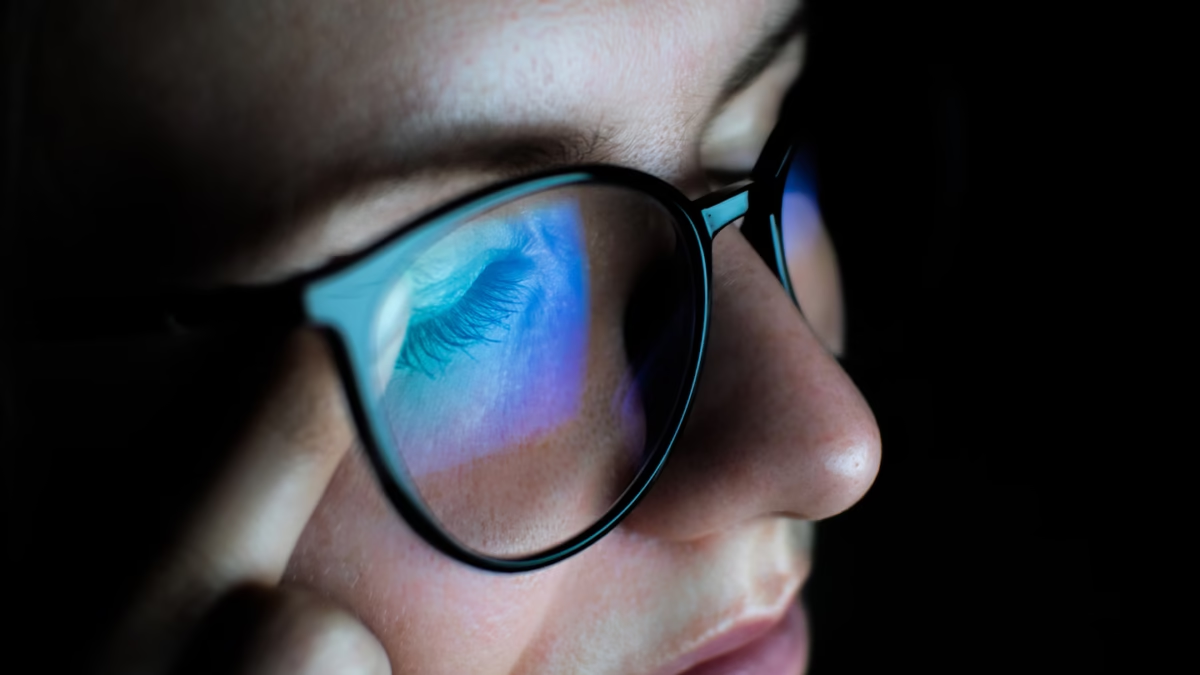

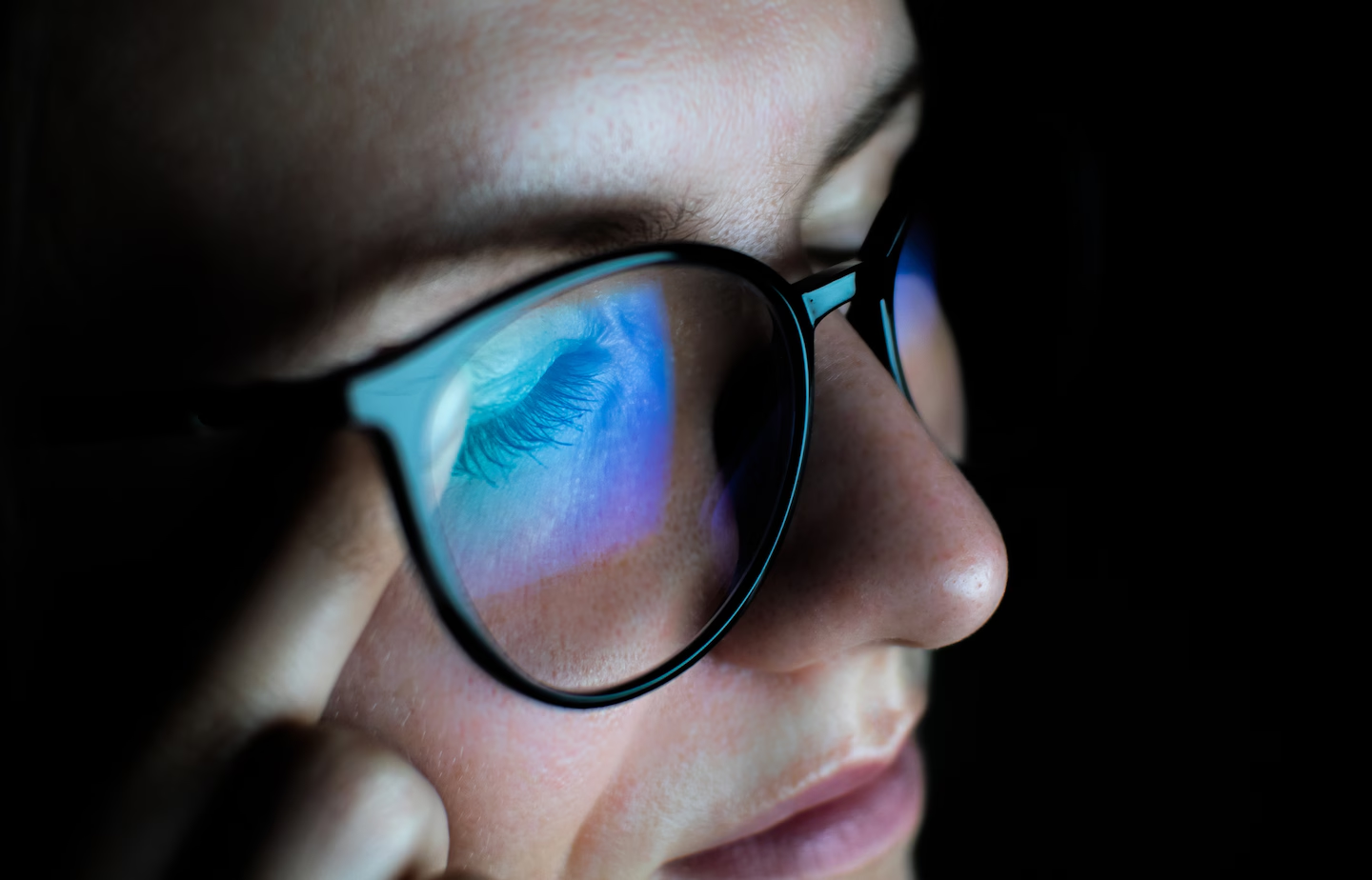
Modern life exposes our eyes to changing light throughout the day. We move from bright sunlight to office lighting, digital screens, and reflective roads. The right Vision correction lenses can sharpen sight while supporting comfort in different settings. However, blue light, ultraviolet radiation, and glare are separate concerns. Each requires a different lens feature, coating, or tint.
Why One Lens Feature Cannot Solve Every Light Problem
Lens terms can sound similar, but they do different jobs. A blue light filter does not automatically provide full UV protection. Polarisation reduces reflected glare, but it does not correct short-sightedness or astigmatism unless prescription power is added. A dark tint may make sunlight feel less intense, yet the lens still needs proper UV protection.
Before choosing lenses, think about where discomfort occurs. Is it mainly during screen work, outdoor activities, driving, or all three? Your prescription, work habits, light sensitivity, and routine should guide the choice.
What Blue Light Lenses Can and Cannot Do
Blue Light Comes From More Than Screens
Blue light is part of visible light. The sun is the strongest everyday source, while phones, computers, tablets, and LED lighting also produce it. Blue light filtering lenses reduce selected wavelengths rather than block all blue light.
Some people prefer these lenses because they reduce certain reflections or make screen viewing feel more comfortable. However, research has not shown that blue light filtering lenses consistently reduce short-term digital eye strain for everyone. They should not be treated as a guaranteed solution.
Screen Discomfort Often Has Several Causes
Tired or dry eyes after computer use may come from reduced blinking, long periods of close focusing, glare, poor screen position, or an outdated prescription. Helpful habits include:
- Taking regular visual breaks
- Blinking fully and often
- Keeping the screen around an arm’s length away
- Matching screen brightness to the room
- Reducing reflections from lights or windows
Occupational or computer lenses may be more useful than a blue light filter alone when desk work requires a different focus range.
How UV-Protective Lenses Support Outdoor Eye Care
Ultraviolet radiation is invisible and comes mainly from sunlight. Long-term exposure can affect the eyes and the skin around them. Outdoor eyewear should be selected for verified UVA and UVB protection, not simply for a dark appearance.
UV protection can be included in clear lenses, prescription sunglasses, and some photochromic lenses. Wraparound frames or larger lenses can also reduce light entering from the sides, especially near water and other reflective surfaces.
Photochromic lenses darken outdoors and become clearer indoors. Many standard photochromic lenses darken less inside a vehicle because the windscreen blocks much of the UV light that activates them. Drivers may prefer prescription sunglasses or lenses designed for use behind a windscreen.
Which Lenses Help Reduce Glare?
Anti-Reflective Coatings for Everyday Reflections
Anti-reflective coatings reduce reflections from the front and back surfaces of a lens. This allows more light to pass through and can make vision feel clearer under artificial lighting. The coating may also make the wearer’s eyes more visible in photographs and video calls.
These coatings can be useful for office work, evening activities, and driving. They do not remove every source of glare, but they can reduce distracting lens reflections.
Polarised Lenses for Reflected Outdoor Glare
Polarised lenses reduce strong reflected glare from surfaces such as roads, water, and wet ground. They can improve comfort during daytime driving, boating, fishing, and outdoor sports.
Polarisation and UV protection are not the same feature. Outdoor lenses should provide both when needed. Polarised lenses may make some digital displays look darker or uneven at certain angles, so test them with devices used regularly.
Choosing Vision Correction Lenses for Daily Life
The best lens setup may combine several features. Someone who drives frequently may benefit from an accurate prescription, anti-reflective coating, UV protection, and a separate polarised sun pair. A person working mainly indoors may need computer-focused lenses and better glare control.
When comparing lenses for vision correction, ask:
- Does the lens match my current prescription?
- Is UV protection clearly stated?
- Where will I use the glasses most often?
- Do I need glare reduction, light adaptation, or both?
- Will the lens affect colour or screen visibility?
Spectacle Hut supports personalised eye testing and carries lens options from brands including Essilor, Nikon, Shamir, and Transitions. An eye care practitioner can explain which features fit a person’s prescription and routine without assuming every filter is necessary.
Why Lens Quality Matters
The price of optical lenses often reflects more than the prescription alone. It may include the quality of the lens material, the precision of the manufacturing process, the durability of the coatings, and how accurately the lenses are fitted to the wearer. Well-made lenses can provide clearer vision, better scratch resistance, more consistent UV protection, and fewer distracting reflections.
Glasses are something we look through for many hours each day, so choosing lenses based only on the lowest price may affect comfort and visual clarity. Poor-quality lens materials or coatings may scratch easily, create unwanted reflections, or cause distortion around the edges. Not every affordable lens is poorly made, but it is worth comparing the optical quality, included treatments, warranty, and professional fitting rather than treating all lenses as interchangeable pieces of plastic.
Clearer Vision Starts With the Right Combination
Blue light filters, UV protection, anti-reflective coatings, polarisation, and photochromic technology each address different needs. The most suitable Vision correction lenses are not necessarily those with the longest feature list. They are the lenses that match your eyesight, environment, and daily activities. A proper eye examination can help you choose useful protection and comfort without paying for features you may not need.
