

Introduction
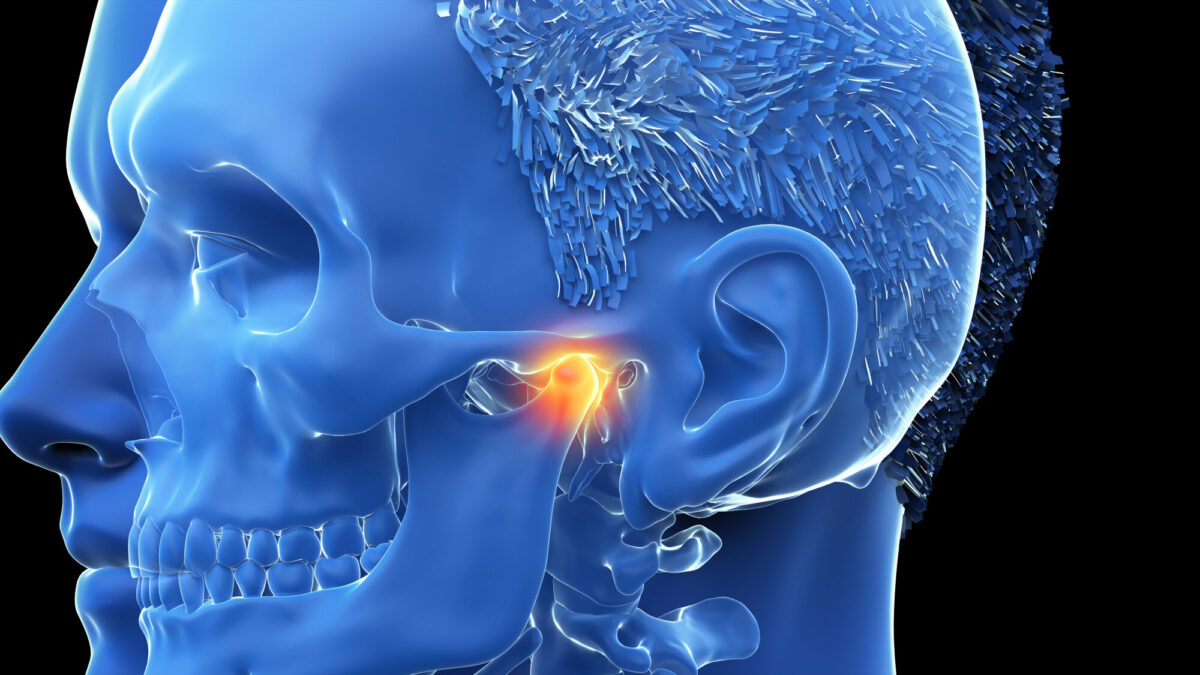
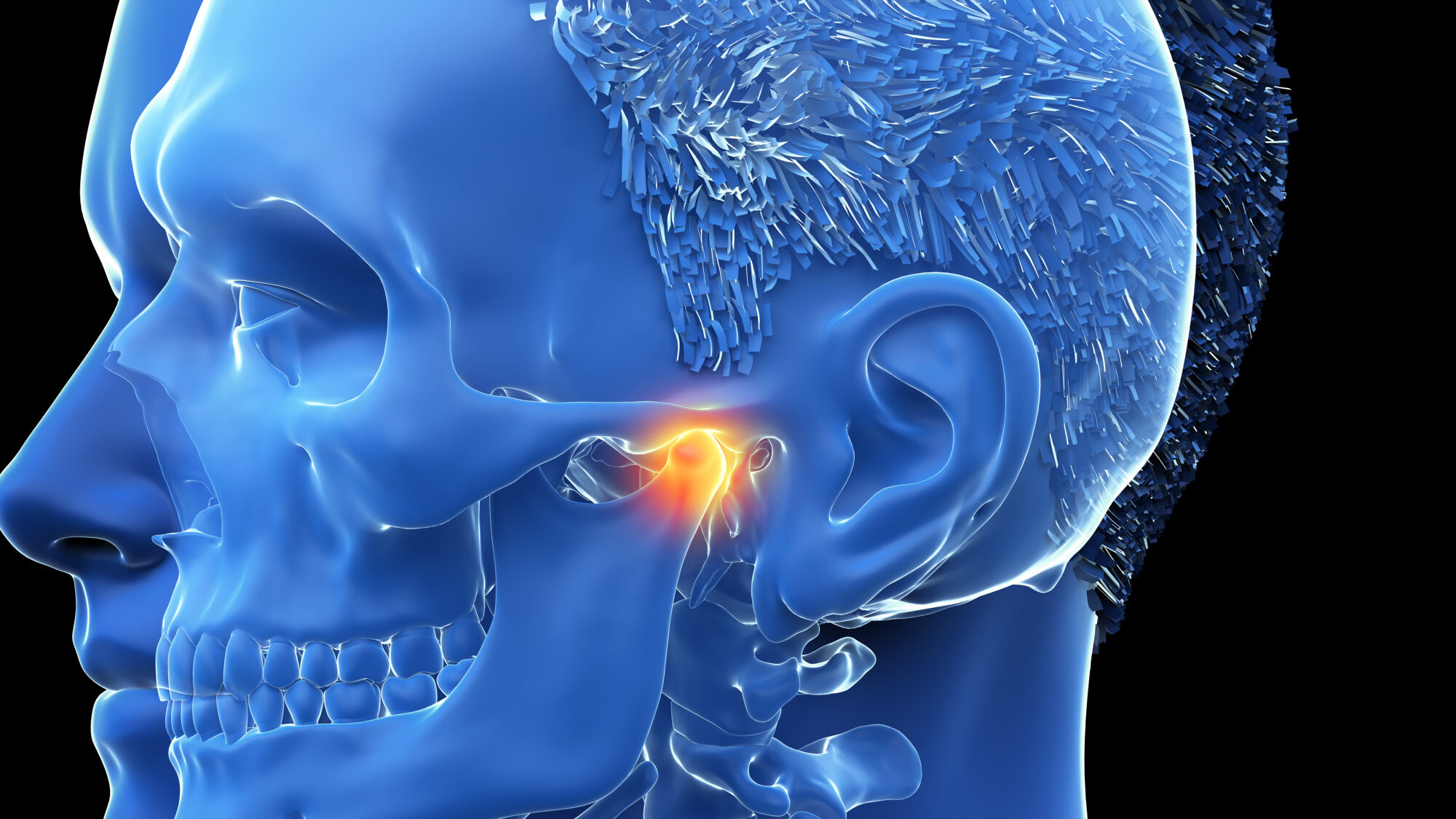
The TMJ, or temporomandibular joint, functions similarly to a movable hinge. It joins the skull and jawbone. Both sides of your jaw have a single joint. Discomfort in the joint between the jaws and the muscle groups that regulate jaw motion can result from tmj problems or TMJ disorders. This article will explore this subject in more detail.
Origin
Determining the precise origin of this issue can be challenging. Pressure, severe illnesses that combine with TMJ disorders, including arthritis, cartilage degeneration, or jaw injuries, and behaviors like teeth grinding, gum chewing, and biting your nails, can all contribute to the discomfort. Bruxism is another term for the tendency to grind or clench your teeth. The majority of the time, TMJ issues cause temporary discomfort and sharp pain. TMJ dysfunction problems can be effectively treated with individualized at-home care, jaw exercises, and a mouth shield. When all other options have been tried and failed, surgery is the last option. However, some individuals with TMJ issues may benefit from surgical therapies.
Symptoms
TMJ issues can cause the following symptoms:
- Pain in the jaw or soreness.
- One or both of the temporomandibular joints are painful.
- Ache within and around the ears.
- Experiencing pain or difficulty during swallowing.
- Pain over the facial features.
- Freezing of the joint, which makes opening and closing your mouth difficult.
- Headache.
- Neck discomfort.
- Eye discomfort.
- Jaw soreness is accompanied by a toothache.
When you open your mouth, TMJ issues can also produce an unpleasant clicking or grinding impression. However, you probably won’t require therapy if your jaw clicking doesn’t cause any pain or reduce your range of motion.
Causes
The temporomandibular joint integrates sliding and bending actions. A little shockproof disc separates the cartilage-covered bone segments that cooperate in the joint’s function. This motion is often kept smooth by this disc.
TMJ issues that cause pain may occur if:
- The disk weakens or shifts from its correct position between the joint’s sphere and socket.
- TMJ disorders are linked to sprains or tensions in the connective tissues or ligaments.
- The cartilage in the socket is harmed by arthritis.
- The joint is harmed by a direct hit or other trauma.
- TMJ spasms are linked to the jaw nerves.
- TMJ disorder frequently has multiple, unclear causes.
Factors that may cause TMJ disorders
The following conditions may increase the likelihood of developing TMJ disorders:
- Some forms of arthritis include rheumatoid arthritis and osteoarthritis.
- harm your jaw.
- Behaviors like clenching or grinding your teeth, biting your nails, and chewing gum too often.
- Specific conditions affecting the connective tissues.
- Tension, grief, nervousness, or PTSD.
- Diseases like fibromyalgia, ankylosing spondylitis, and sleep disorders.
- Smoking cigarettes.
If you’re experiencing chronic jaw discomfort or soreness that happens unexpectedly or during jaw motions, or if you are unable to fully open or close your jaw, get medical help. You can talk about potential causes and solutions with your dentist, TMJ specialist, or other medical expert.
