
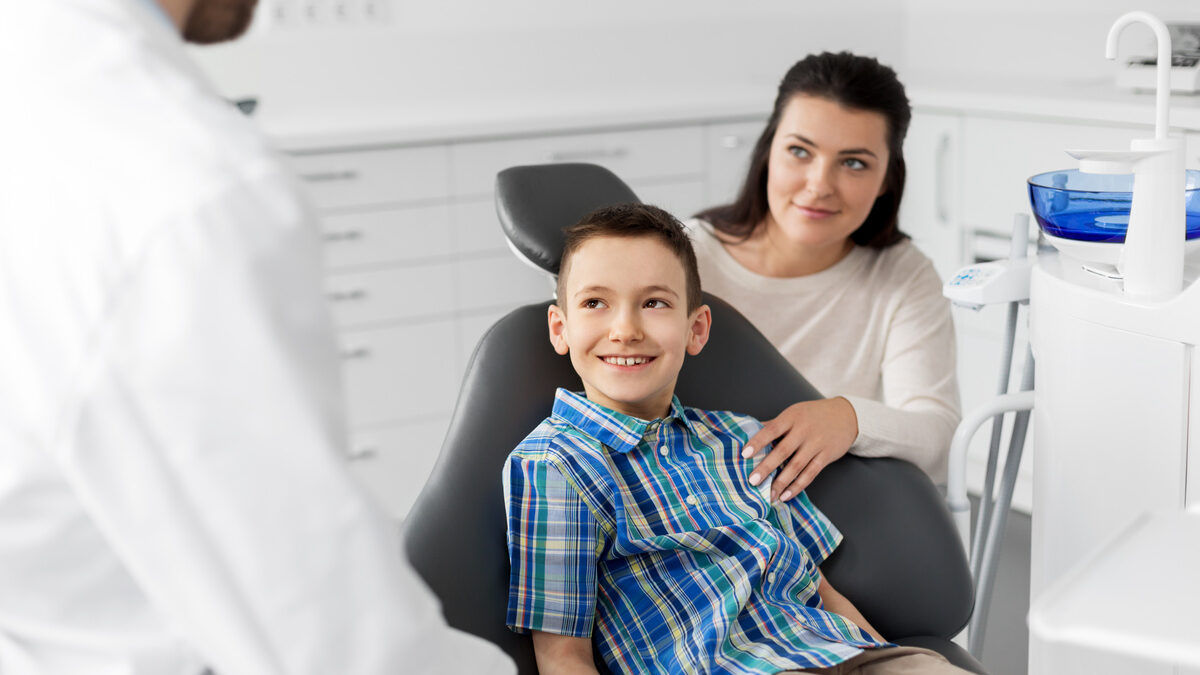

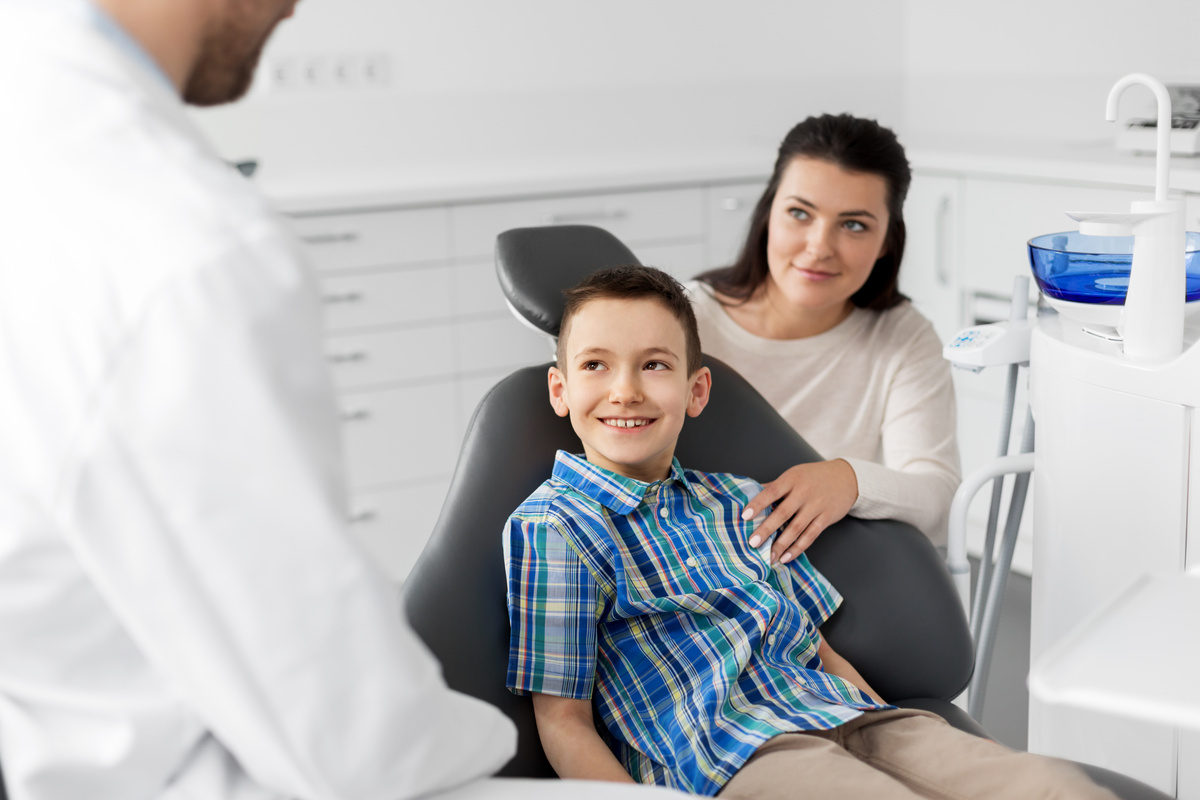
Going to the dentist can be a strange and even scary experience for many children. The role that you play as a parent is very important to ensure that your child is safe, confident, and calm during the experience. But it can be a matter of knowing how to be of help to them, without causing dismay without intending to raise the anxiety level. Dental teams that work with children are specialised in working in these areas and are aware that children have emotional needs, but parental presence, reassurance and effective communication play a unique role.
Realizing Your part as a silent Observer or Helper.
Being a silent observer or helper is one of the best options that parents can have to help their child in a visit to a dental centre. This does not imply that one should remain aloof; it just implies that one should support the dental team without interfering with its communication methods and behavioural approaches. Many families exploring orthodontic options also look into Invisalign Georgetown as a convenient solution for their child’s dental alignment. Child-based communication and distraction devices are provided to pediatric dental professionals to lead the children through the appointment without causing any pain or discomfort.
What does it mean by the Silent Observer or Helper?
In the clinical component of the visit, parents can:
● Keep your body in a calm and relaxed position.
● Give silent compliments such as You are doing great when it is time.
● Observe the signals of the dental team on when to talk or interact.
● Calm your child down one more time, in case he is nervous or overcharged after the appointment.
This indirect though encouraging presence assists the children to build trust in their parents and the dental team.
Avoiding Over-Preparation
The main error that parents commit is to over-prepare the child by telling him about all the tools or procedures beforehand. Although it is normal to wish your child to be aware of what to expect, excessive information, especially on the tools or steps that the child might never go through, may lead to anxiety and not lessen it. Make explanations easy, good and concentrate on the positive outcomes like maintaining healthy strong teeth. It can be more effective to call up and request the dental team to make materials or social stories kid-friendly than elaborate verbal caution.
Establishing long-term positive relationships.
The way you respond when you visit the dentist is what contributes to how your child will ultimately develop their attitude towards dental care. A relaxed, authoritative, and reassuring presence is the message your child will get that going to the dentist is not something to be afraid of since it is a normal, routine service. Once you have paid a visit, you should reward your child’s cooperation and courage afterwards in a way that makes him/her feel secure, but make no promises in advance. This will make them relate dental health services with achievement and safety instead of negotiation and fear.
