
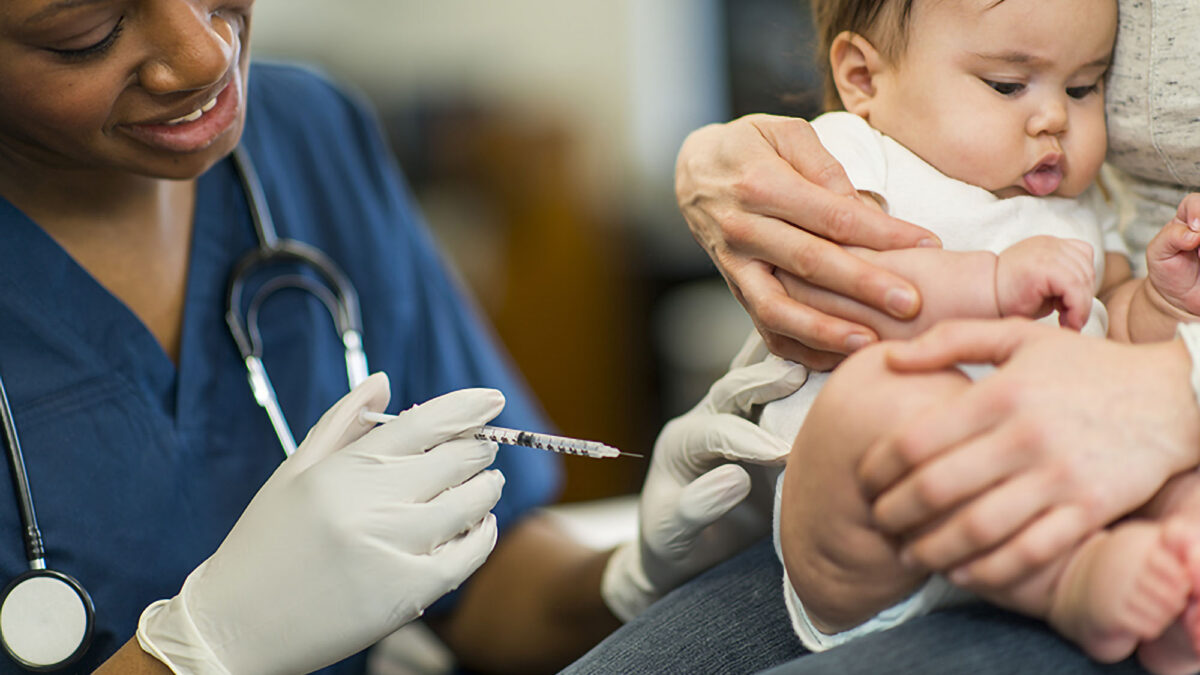

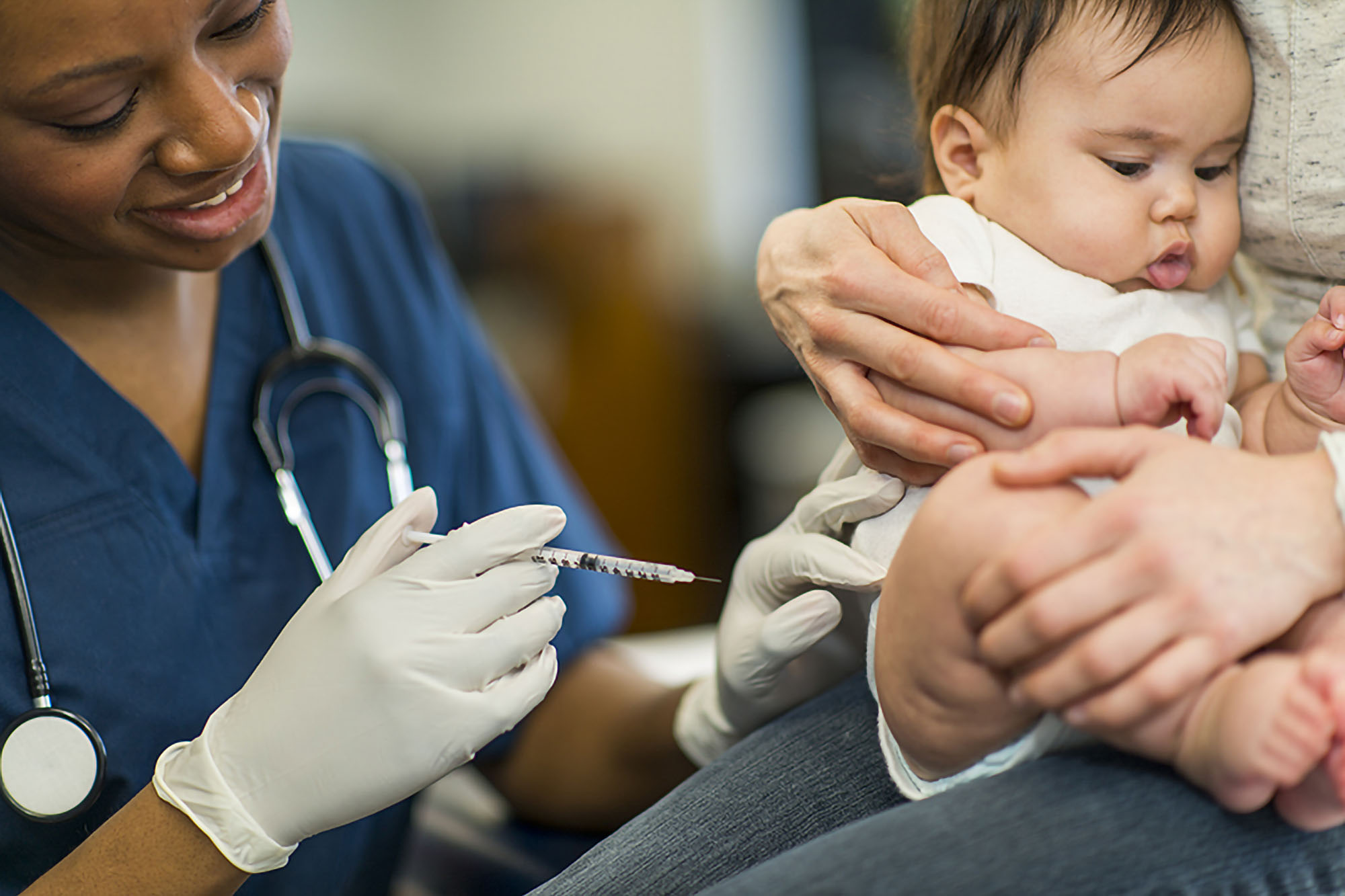
Vaccinations are one of the most effective ways to protect children from serious infectious diseases. In Singapore, the National Childhood Immunisation Schedule (NCIS) provides a structured and evidence-based vaccination plan to ensure children receive timely protection as they grow. Understanding this schedule helps parents make informed decisions and stay confident about their child’s health.
What Is the NCIS?
The National Childhood Immunisation Schedule is a nationally recommended framework that outlines the vaccines children should receive from infancy through early childhood. It is designed based on scientific evidence, disease prevalence, and public health priorities.
The goal of the NCIS is to protect children during periods when they are most vulnerable to infections. By following the schedule, parents help reduce the risk of severe illness, complications, and disease transmission within the community.
Why Childhood Vaccinations Are Important
Young children have developing immune systems that are not yet fully equipped to fight certain infections. Vaccines train the immune system to recognize and respond to harmful viruses and bacteria before exposure occurs.
Following the children NCIS immunization schedule reduces the likelihood of outbreaks of preventable diseases such as measles, diphtheria, and whooping cough. High vaccination coverage also contributes to herd immunity, protecting infants and medically vulnerable individuals who cannot be vaccinated.
Vaccinations Given at Birth and Early Infancy
Vaccination begins shortly after birth. Newborns typically receive protection against diseases that pose serious risks early in life, such as hepatitis B and tuberculosis.
During the first few months, infants receive multiple doses of vaccines that protect against illnesses like diphtheria, tetanus, pertussis, polio, and Haemophilus influenzae type b. These vaccines are spaced across several visits to ensure effective immune response while minimizing side effects.
Parents are encouraged to attend scheduled appointments consistently, as delays may leave infants unprotected during critical developmental stages.
Vaccinations During the First Year of Life
As infants grow, additional vaccines are introduced to expand protection. These include immunisations against pneumococcal disease and measles, mumps, and rubella.
The timing of these vaccines is carefully planned to coincide with the child’s immune readiness. Administering vaccines too early or too late may reduce their effectiveness, which is why adhering to the recommended schedule is important.
During this period, healthcare providers also monitor growth and development, offering parents a chance to discuss concerns and clarify vaccination-related questions.
Preschool and Early Childhood Vaccinations
Vaccinations do not stop after infancy. Booster doses are given in the toddler and preschool years to reinforce immunity built earlier in life.
These boosters help maintain protection as children become more socially active, attending childcare centers and schools where exposure to infections is more likely. Completing the full NCIS childhood vaccinations series ensures immunity remains strong during these formative years.
Parents should keep vaccination records updated, as these are often required for school enrollment and childcare registration.
Safety and Side Effects
Vaccines included in the NCIS undergo rigorous testing for safety and effectiveness before approval. Serious side effects are rare, and most children experience only mild reactions such as low-grade fever, temporary fussiness, or soreness at the injection site.
Healthcare professionals are trained to assess each child’s suitability for vaccination and manage any adverse reactions promptly. Parents should inform doctors about allergies or previous reactions to ensure appropriate care.
The benefits of vaccination far outweigh the risks, especially when considering the potential severity of vaccine-preventable diseases.
What Happens If a Vaccination Is Missed?
Occasionally, vaccinations may be delayed due to illness, travel, or other circumstances. Missing a scheduled dose does not mean the entire series must be restarted.
Doctors can provide a catch-up schedule tailored to the child’s age and vaccination history. Early consultation helps ensure that protection is restored as soon as possible without compromising safety or effectiveness.
The Role of Parents and Caregivers
Parents play a crucial role in ensuring their children stay protected. Keeping track of vaccination dates, attending scheduled appointments, and asking questions when unsure all contribute to successful immunisation.
Reliable information from healthcare professionals helps address concerns and dispel common misconceptions about vaccines. Open communication builds trust and confidence throughout the vaccination journey.
Long-Term Benefits of Following the NCIS
Children who complete the recommended immunisation schedule are less likely to suffer from serious infections that can cause long-term complications, hospitalisation, or even death.
On a broader level, widespread adherence to the schedule reduces disease circulation, protecting the entire community. This collective benefit highlights why childhood immunisation remains a public health priority.
Conclusion
Understanding the National Childhood Immunisation Schedule empowers parents to make informed decisions about their child’s health. From birth through early childhood, each vaccine is carefully timed to provide optimal protection during vulnerable stages of development.
By following children NCIS vaccinations as recommended, parents safeguard not only their own children but also contribute to a healthier and safer community. Staying informed, maintaining regular check-ups, and partnering with healthcare providers ensure children receive the best possible start in life through effective disease prevention.
